The Car Exhaust Extraction Process
Car exhaust extraction is vital for vehicle maintenance and environmental protection. It removes harmful gases produced in a vehicle’s engine. Effective systems enhance engine performance and reduce environmental pollutants.
This article explores the mechanics, significance, and maintenance of car exhaust extraction systems, helping car owners ensure better vehicle performance and meet environmental standards.
1. What is Car Exhaust Extraction?
1.1 Definition and Purpose
Car exhaust extraction removes waste gases from a car’s engine. These gases, containing harmful substances like carbon monoxide, are safely expelled in a controlled manner. Modern systems efficiently capture and redirect emissions away from the vehicle and passengers, minimizing harmful exposure.
1.2 History and Evolution
Initially, simple pipes managed car exhaust. As environmental awareness grew, more sophisticated systems emerged. Catalytic converters, mandated in the 1970s, marked a major advancement in emission control. Constant innovations in system efficiency and lifespan continue as more refined exhaust systems meet stringent regulations. Furthermore, recent developments have focused on integrating hybrid technologies to further diminish the carbon footprint of automotive vehicles.
1.3 Importance in Modern Vehicles
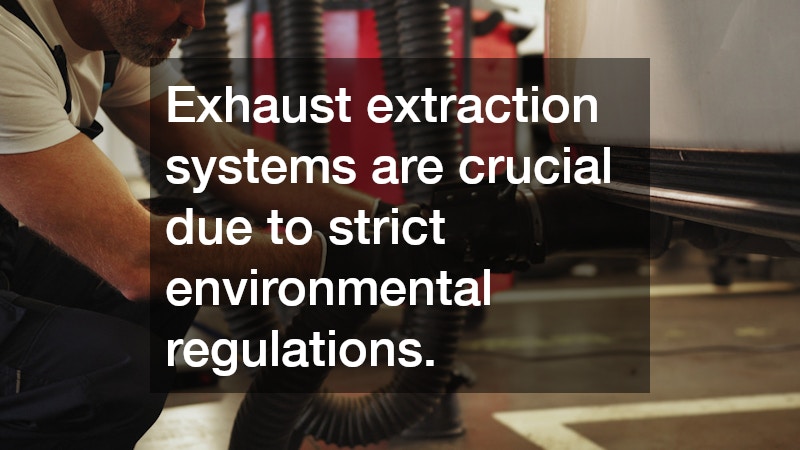
Exhaust extraction systems are crucial due to strict environmental regulations. They reduce toxic emissions, aiding manufacturers in meeting standards and improving air quality. Modern exhaust systems, integrated with sensors and diagnostics, are efficient and adapt to driving conditions, aligning vehicle functionality with environmental goals.
2. How Does a Car Exhaust Extraction System Work?
2.1 Components and Design
The system comprises an exhaust manifold, catalytic converter, oxygen sensors, and muffler. The manifold collects gases from engine cylinders, the catalytic converter transforms harmful gases, and the muffler reduces noise.
2.2 The Extraction Process Explained
Engine combustion produces energy and exhaust gases, collected by the manifold and transformed by the catalytic converter. Oxygen sensors monitor conversion efficiency, ensuring optimal performance. Purified gases then pass through the muffler, adhering to emission standards.
2.3 Role of Technology in Efficiency
Technological advancements improve exhaust system efficiency. Innovations like variable valve timing and lightweight materials enhance performance. Sophisticated software ensures precise monitoring and emissions compliance, reducing environmental impact.
3. Why is Exhaust Extraction Essential for Vehicle Maintenance?
3.1 Impact on Engine Performance
Proper extraction prevents harmful gas build-up, reducing engine stress and maintaining optimal temperature, crucial for engine longevity and reliability. Regular maintenance checks on the exhaust system can further enhance its efficiency and effectiveness. This proactive approach ensures that any potential issues are identified and addressed promptly, minimizing potential damage and prolonging engine life.
3.2 Health and Safety Considerations
Efficient exhaust systems expel toxic gases, protecting occupants and mechanics from exposure. They are vital for vehicle and service personnel safety. Additionally, proper exhaust system functionality reduces the risk of carbon monoxide poisoning, a serious health hazard. Implementing regular safety inspections and updates to exhaust systems enhances overall safety management for operators and service providers alike.
3.3 Environmental Benefits
Exhaust systems reduce pollutant emissions, crucial for combating air pollution and climate change. Manufacturers innovate for more eco-friendly systems aligning with environmental standards, aiding conservation efforts. These innovations not only improve air quality but also meet growing regulatory demands for reduced vehicle emissions. By focusing on sustainable practices, manufacturers contribute to a healthier planet and showcase corporate responsibility in environmental stewardship.
4. What are the Common Issues with Exhaust Extraction Systems?
4.1 Signs of System Failure
Indicators of system failure include unusual noises, decreased fuel efficiency, foul odors, and warning lights, all signaling underlying problems needing immediate attention.
4.2 Causes and Solutions
Corrosion and vibrations can lead to exhaust issues. Routine inspections and maintenance are essential. Professionals should handle significant repairs to maintain integrity. Additionally, proactive measures can help identify potential issues before they become serious problems.
4.3 Maintenance and Repair Tips
Regular maintenance prolongs system life. Focus on joints and catalytic converter condition, timely part replacements, and ensure clean exhaust paths.
5. How to Select the Right Exhaust Extraction System?
5.1 Criteria for Choosing a System
Consider compatibility, emission control, durability, and legal standards when selecting a system to ensure effectiveness and compliance.
5.2 Comparing Different Types
Direct-fit systems offer seamless integration, while universal systems adapt to various models. Performance systems enhance sound and efficiency. Choose based on needs and specifications.
5.3 Cost and Installation Considerations
High-quality systems offer durability and performance enhancements. Professional installation is recommended for correct functioning and precision. Taking into account the total cost of ownership, including maintenance, can provide better long-term value.
Car exhaust extraction systems enhance vehicle performance and environmental health. Their evolution reflects a commitment to emission reduction. High-quality systems align with technological advancements for greater efficiency and sustainability, shaping the automotive industry’s environmental impact.