
Best Modifications to Improve Your Truck’s Functionality
Trucks are among the most versatile vehicles on the road, capable of handling everything from daily commuting and family errands to heavy-duty work tasks and challenging off-road adventures. While factory-standard trucks are equipped to perform basic functions, they often leave room for improvement in terms of handling, cargo management, comfort, and specialized performance. Thoughtful, strategic modifications can transform a standard truck into a vehicle that is more efficient, reliable, and tailored to your specific needs. These enhancements not only improve day-to-day usability but also elevate safety, convenience, and long-term durability, making your truck a more capable and enjoyable asset.
Whether your truck is primarily used for work, recreational activities, or a combination of both, making targeted upgrades allows you to optimize performance for your unique requirements. From improved suspension systems that provide a smoother ride and better control, to practical bed and storage solutions that enhance functionality, well-chosen modifications ensure that your truck can handle a wider range of tasks without compromise. Additionally, upgrades that focus on interior comfort and technology can make long drives more pleasant and efficient, while exterior enhancements can improve protection, style, and longevity.
This guide offers in-depth insights into practical modifications designed to maximize your truck’s performance, utility, and durability. Each recommendation emphasizes actionable tips that are realistic for both DIY enthusiasts and professional installers, helping you make informed decisions about which upgrades will have the most impact. By following these suggestions, you can transform a standard truck into a highly functional and versatile vehicle that meets your personal and professional needs while enhancing the overall driving experience.
Upgrading Your Truck’s Suspension
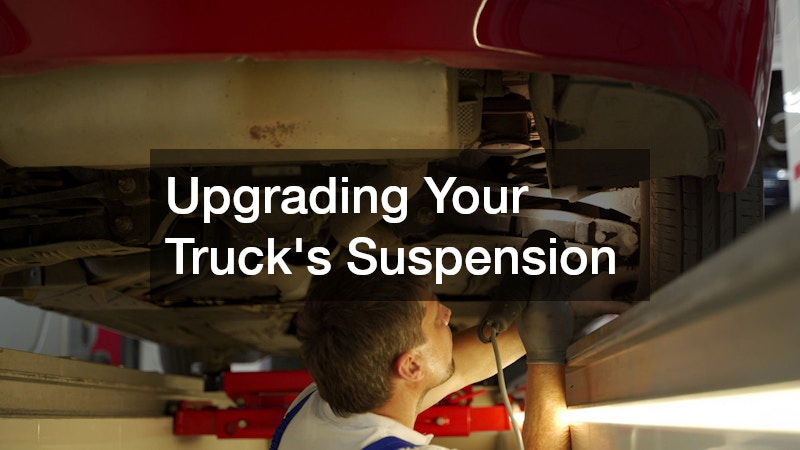
Types of Suspension Systems
The suspension system plays a major role in how a truck handles different driving conditions. A well-designed suspension improves ride comfort, stability, and control while protecting other vehicle components from excessive stress.
Common suspension upgrades include:
- Lift kits that increase ground clearance for rough terrain
- Leveling kits that balance the truck’s front and rear height
- Upgraded shocks designed for heavier loads
These upgrades improve ride quality and reduce stress on the drivetrain. Trucks that frequently carry heavy loads or operate on rough terrain benefit greatly from these improvements.
Choosing the Right Suspension
Choosing the correct suspension depends largely on how the truck is used.
For example:
- Work trucks benefit from heavy-duty springs
- Off-road trucks need increased wheel travel
- Daily drivers often benefit from moderate height adjustments
Drivers who are unsure which setup fits their needs can consult a trusted car repair shop that understands truck performance upgrades.
DIY Installation Tips
Many suspension components can be installed by experienced vehicle owners.
Important tips include:
- Always secure the vehicle using heavy-duty jack stands
- Follow torque specifications from the manufacturer
- Inspect all mounting points during installation
- Test the vehicle slowly after completing installation
Proper installation reduces strain on the drivetrain and helps maintain consistent performance.
Maintenance for Longevity
Routine inspection is important after installing suspension upgrades.
Maintenance practices include:
- Checking shock mounts and bushings regularly
- Monitoring tire wear patterns
- Inspecting suspension components after heavy towing
- Scheduling transmission service if drivetrain strain increases due to heavy hauling
Consistent inspections help ensure suspension upgrades continue performing effectively.
Enhancing Truck Bed Functionality
Bed Liners and Covers
Protecting the truck bed from damage is one of the simplest ways to improve functionality and longevity. Scratches, dents, and weather exposure can weaken the bed over time.
Popular protective solutions include:
- Spray on bed liners
- Drop in plastic liners
- Folding tonneau covers
These additions help maintain the structural integrity of the truck bed.
Some owners also choose vehicle wrap services to protect exterior panels and maintain a consistent finish across the truck.
Racks and Tool Storage
Truck beds can be optimized with organized storage systems.
Useful upgrades include:
- Over-bed racks for large equipment
- Lockable toolboxes
- Sliding bed drawers
- Vertical storage mounts
These options make it easier to transport work equipment safely and efficiently.
Lighting Solutions
Improved lighting increases productivity when working at night.
Helpful lighting additions include:
- LED bed lighting strips
- Motion-activated cargo lights
- Portable magnetic work lights
- Flood lighting for construction or outdoor tasks
Proper lighting prevents accidents and improves cargo visibility.
Custom Tailgate Upgrades
Modern tailgate modifications improve both access and functionality.
Examples include:
- Integrated tailgate steps
- Multi-position tailgates
- Reinforced tailgate hinges
- Built-in work surfaces
These improvements make loading and unloading equipment easier and safer.
Improving Wheels and Tires
Choosing the Right Tire Type
Tires influence traction, braking performance, and ride comfort. Selecting the correct type ensures the truck performs well in the environments where it is most frequently used.
Options include:
- All-terrain tires for mixed driving conditions
- Mud terrain tires for off-road use
- Highway tires for quiet daily driving
Selecting the correct tires helps maximize vehicle performance.
Custom Wheels
Wheel upgrades can improve both strength and appearance.
Drivers often consider:
- Wheel diameter and offset
- Material strength
- Load rating
- Compatibility with tire sizes
Many truck owners rely on professional custom wheel service to ensure proper installation and safe alignment.
Installation and Balancing Tips
Correct wheel installation prevents vibration and uneven tire wear.
Best practices include:
- Torque lug nuts evenly
- Balance each wheel during installation
- Rotate tires every few thousand miles
- Inspect wheels after off-road trips
These steps protect both wheels and tires from unnecessary damage.
Tire Maintenance
Regular tire maintenance extends tire lifespan.
Recommended practices include:
- Checking tire pressure monthly
- Inspecting for punctures or cracks
- Rotating tires regularly
- Maintaining proper wheel alignment
Routine care prevents premature tire failure.
Upgrading Truck Audio and Interior Comfort
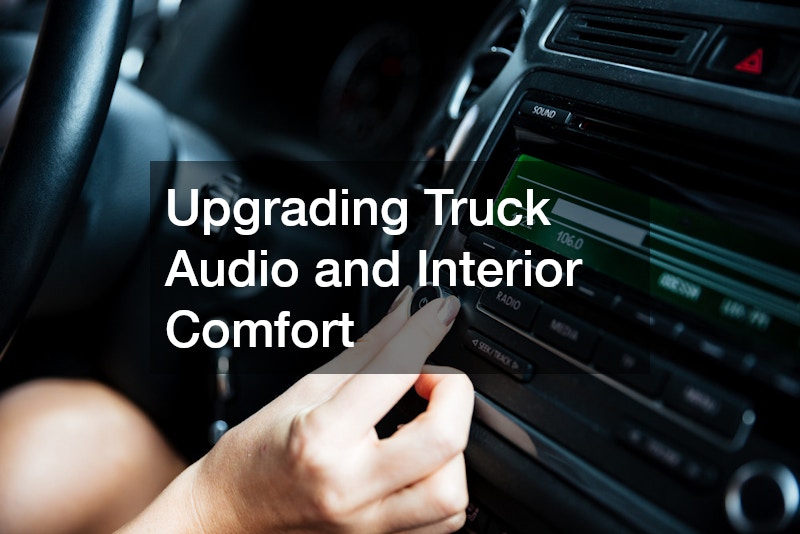
Installing an Upgraded Audio System
Improving interior entertainment can make long drives more enjoyable.
Upgrades may include:
- Speaker replacements
- Subwoofers for deeper sound
- Updated media receivers
- Smartphone connectivity
Well-designed car audio systems provide clear sound while maintaining compatibility with modern technology.
Interior Comfort Enhancements
Comfort upgrades improve the driving experience, particularly during long trips.
Common upgrades include:
- Seat padding improvements
- Durable seat covers
- Adjustable lumbar support
- Interior insulation upgrades
These changes help reduce fatigue during extended driving.
Tech Add-ons
Technology features improve convenience and safety.
Examples include:
- Navigation displays
- Backup cameras
- Wireless phone charging
- Smartphone integration systems
These upgrades make driving more efficient.
Maintenance Tips
Keeping interior upgrades working properly requires regular care.
Maintenance tasks include:
- Cleaning electronic components
- Inspecting wiring connections
- Protecting audio equipment from moisture
- Scheduling occasional inspections for car audio systems
Proper care ensures interior upgrades continue functioning reliably.
Boosting Engine Performance
Common Engine Upgrades
Engine performance upgrades can increase both power and reliability.
Examples include:
- Cold air intake systems
- Performance exhaust systems
- Engine tuning modules
- Improved airflow components
These upgrades allow engines to operate more efficiently.
Preventive Maintenance
Routine engine care prevents major mechanical problems.
Important maintenance tasks include:
- Replacing engine oil regularly
- Inspecting belts and hoses
- Monitoring engine temperature
- Scheduling starter motor services if ignition issues appear
Preventive care extends engine lifespan.
Fuel Efficiency Considerations
Balancing performance with fuel efficiency helps maintain cost-effectiveness.
Helpful practices include:
- Maintaining proper tire pressure
- Avoiding unnecessary idling
- Using compatible engine upgrades
- Monitoring fuel consumption after modifications
These adjustments help maintain efficiency.
DIY vs Professional Service
Some engine work requires professional expertise.
Examples include:
- Transmission service requiring specialized tools
- Diagnostics involving electronic engine controls
- Complex diesel repair procedures
Professional technicians ensure work is completed safely.
Upgrading Lighting Systems
Headlights and Fog Lights
Lighting upgrades improve road visibility and safety.
Common upgrades include:
- High-output headlights
- LED fog lights
- Brighter beam patterns
- Improved lens clarity
Better lighting helps drivers see hazards sooner.
LED Light Bars
Light bars provide strong illumination for off-road driving.
Drivers often install them on:
- Roof mounts
- Front bumpers
- Grille guards
- Rear cargo areas
These lights improve nighttime visibility in remote areas.
Bed and Auxiliary Lighting
Cargo area lighting makes nighttime work easier.
Examples include:
- LED cargo strips
- Portable floodlights
- Magnetic work lights
- Rechargeable job lights
Improved lighting increases productivity.
Maintenance and Durability
Lighting systems last longer with regular care.
Maintenance tips include:
- Inspecting wiring connections
- Cleaning lenses regularly
- Replacing worn bulbs
- Checking mounts after rough driving
Consistent maintenance ensures reliable lighting.
Exterior Appearance and Protection

Vehicle Wraps and Graphics
Exterior protection helps preserve the truck’s finish.
Protective coverings shield the paint from debris and sunlight.
Some truck owners use professional vehicle wrap services to add an additional protective layer.
Protective Coatings
Protective coatings prevent long-term damage.
Options include:
- Ceramic coatings
- Paint sealants
- Wax protection layers
- Underbody protection coatings
These solutions improve durability.
Bumper and Grill Upgrades
Stronger bumpers increase front-end protection.
Upgrades often include:
- Reinforced steel bumpers
- Grille guards
- Brush guards
- Skid plates
These additions protect important components.
Routine Maintenance Tips
Exterior upgrades require occasional care.
Recommended practices include:
- Washing debris from protective coatings
- Inspecting bumpers after impacts
- Checking wrap edges
- Scheduling periodic auto repair inspections
Regular inspections prevent long-term damage.
Off-Road and Towing Enhancements
Towing Equipment Upgrades
Trucks designed for towing benefit from stronger towing equipment.
Upgrades include:
- Heavy-duty hitch receivers
- Trailer brake controllers
- Reinforced suspension components
- Load leveling systems
These upgrades improve towing safety.
Winches and Recovery Gear
Recovery equipment helps drivers escape difficult terrain.
Essential items include:
- Winches
- Tow straps
- Recovery boards
- Shackles
These tools improve off-road readiness.
Suspension and Lift Adjustments
Additional suspension adjustments help manage rough terrain.
Drivers often add:
- Lift kits
- Off-road shocks
- Skid plates
- Reinforced control arms
These upgrades increase ground clearance and durability.
Preventive Inspections
Preventive inspections ensure that off-road equipment works properly.
Drivers should check:
- Tow points
- Hitch connections
- Recovery gear condition
- Suspension components
Regular inspections improve reliability.
Braking and Safety Improvements
Brake Pads and Rotors
Upgraded brakes provide stronger stopping capability.
Performance brake systems include:
- Heavy-duty brake pads
- Larger rotors
- Improved heat dissipation
- Durable brake materials
These upgrades improve braking reliability.
Brake Lines and Fluids
Brake fluid condition affects braking performance.
Maintenance steps include:
- Flushing brake fluid periodically
- Inspecting brake lines
- Replacing worn hoses
- Monitoring braking response
Proper maintenance ensures consistent braking.
Safety Sensors and Technology
Modern safety technology helps drivers avoid accidents.
Examples include:
- Backup cameras
- Parking sensors
- Collision warning systems
- Lane assistance alerts
These features improve road awareness.
Professional Inspection Tips
Professional inspections help identify hidden issues.
Technicians often perform:
- Brake diagnostics
- System calibration
- Advanced vehicle scanning
- Safety system testing
Many auto repair professionals also perform specialized diesel repair work for heavy-duty trucks.
Regular Maintenance and Service Tips
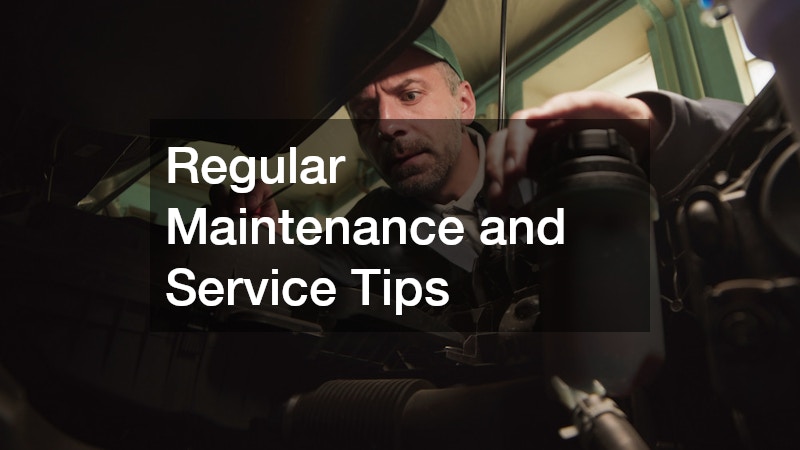
Routine Check Ups
Regular inspections help keep every truck system functioning properly.
Maintenance tasks include:
- Checking suspension components
- Inspecting tire wear
- Monitoring engine fluids
- Scheduling periodic service appointments
Routine maintenance protects modifications.
Mobile Repair Services
Some drivers benefit from convenient service options.
Mobile truck repairs allow technicians to inspect and repair vehicles without requiring a shop visit.
This can reduce downtime for work vehicles.
DIY Maintenance Tips
Basic maintenance tasks can be performed by truck owners.
Examples include:
- Checking oil levels
- Inspecting hoses and belts
- Monitoring tire pressure
- Cleaning air filters
These small tasks help prevent larger problems.
Finding Reliable Auto Repair Shops
Selecting experienced mechanics ensures high-quality repairs.
Drivers should look for:
- Certified technicians
- Strong customer reviews
- Experience with trucks
- Transparent service pricing
Professional service providers often handle transmission service, diesel repair, and starter motor services for trucks that require advanced repairs.
Enhancing your truck’s functionality requires thoughtful modifications across suspension, bed utility, wheels, engine, and safety systems. Upgrading the suspension not only improves ride quality but also enhances handling and stability, which is particularly important when carrying heavy loads or navigating rough terrain. Well-chosen bed utility upgrades, such as protective liners, storage solutions, and lighting enhancements, increase cargo management efficiency and protect your truck from damage during work or recreational activities. When combined with the right wheels and tires, these improvements improve traction, off-road capability, and overall driving confidence, allowing your truck to perform reliably in diverse conditions.
Engine modifications, paired with proper maintenance such as scheduled transmission service and diesel repair, can boost performance and fuel efficiency without compromising reliability. Even small upgrades like installing a high-quality starter motor service or ensuring routine auto repair checks can make a significant difference in preventing breakdowns and extending the life of your truck. Integrating safety systems, from brake improvements to advanced lighting and technology, ensures that you and your cargo remain protected, whether on highways, city streets, or challenging off-road trails.
By carefully planning upgrades and combining DIY efforts with professional services, you can achieve a balanced approach that maximizes your truck’s potential without overloading it or causing unnecessary wear. For example, a truck owner might install custom wheel service and truck accessories themselves, while relying on mobile truck repairs or a car repair shop for more complex installations or routine inspections. This approach not only improves performance and convenience but also enhances the longevity of each component, reducing the likelihood of costly repairs down the line.
Following these tips ensures a safer, more enjoyable driving experience, giving you confidence whether you’re hauling equipment, towing trailers, or exploring off-road routes. Thoughtful, well-maintained modifications allow your vehicle to adapt to your lifestyle, making it a versatile and dependable tool for work, recreation, and everyday use. By prioritizing both functionality and durability, you create a truck that is not just a mode of transportation but a well-equipped, reliable partner for any challenge or adventure.