How Preventative Maintenance Inspections Help Avoid Costly Auto Repairs
Owning a vehicle comes with an important responsibility: keeping it in reliable and safe working condition. Unfortunately, many car owners wait until something goes wrong before bringing their vehicle to a mechanic. By that time, the issue has likely escalated into an expensive and inconvenient repair. Preventative maintenance offers a smarter and more cost-effective approach. Regular inspections identify early signs of wear, allowing small fixes before they become major problems that can sideline your car unexpectedly or leave you stranded on the road.
Preventative maintenance is not just about saving money. It also ensures better fuel economy, improved safety, and a longer lifespan for your vehicle. For commuters, business owners, and families, maintaining a car proactively helps avoid breakdowns that cause stress and lost time. Proper inspection routines also contribute to environmental stewardship, as well-maintained vehicles emit fewer pollutants and operate more efficiently. In addition, being proactive enhances your vehicle’s resale potential because a well-documented maintenance history reflects care and reliability to future buyers.
This guide explores how proactive maintenance keeps cars running at peak performance, covering everything from professional care to long-term decision-making. More importantly, it provides detailed insights and actionable strategies for anyone who wants to avoid costly repairs through smart, consistent auto care.
Understanding the Importance of Preventative Maintenance
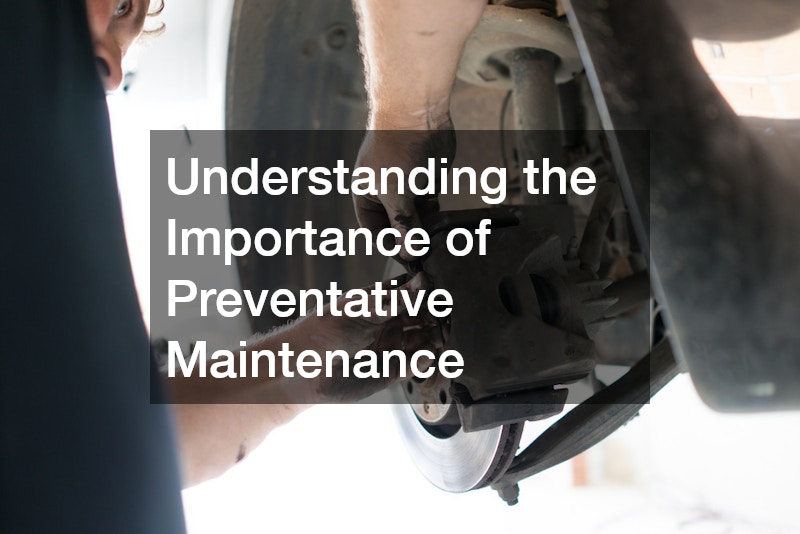
Preventative maintenance inspections are scheduled assessments designed to detect and address small mechanical issues before they affect a vehicle’s functionality or safety. Unlike repairs after a breakdown, maintenance inspections take a proactive approach, focusing on keeping all systems operating smoothly. These inspections typically include checking fluids, belts, brakes, tires, lights, exhaust systems, steering, and suspension.
Neglecting small maintenance steps can lead to serious problems later. For example, ignoring an oil change can result in engine damage that costs thousands of dollars to fix. Something as simple as maintaining the correct tire pressure can improve gas mileage and prevent accidents caused by tire blowouts. Preventative maintenance also improves reliability, reducing the likelihood of being stranded on the roadside or missing important trips because of sudden mechanical failures.
Some key benefits include:
- Cost savings: Cheaper maintenance now prevents expensive breakdowns later.
- Improved safety: Regular checks reduce the chance of brake or tire failures.
- Enhanced efficiency: Vehicles that are regularly maintained use less fuel.
- Peace of mind: Consistent care keeps your car dependable in emergencies.
By committing to preventative maintenance inspections, car owners extend their vehicle’s life while significantly lowering their long-term costs. It’s not just about avoiding breakdowns; it’s about staying ahead of them altogether.
Working With the Right Professionals for Reliable Car Care
For most drivers, some maintenance tasks, such as oil changes or air filter replacements, can be handled at home. However, many diagnostic procedures and mechanical inspections require experienced technicians. These professionals use specialized tools and digital sensors to identify issues that may not be obvious to the untrained eye.
Professional mechanics and technicians provide much more comprehensive service than a simple visual once-over. They check electrical systems, fluid quality, internal component wear, and potential future weaknesses. Working closely with shops that offer quality auto repair services ensures your car is evaluated thoroughly by certified experts who follow manufacturer guidelines.
Finding the right repair partner is a crucial step. Tips for choosing a trustworthy shop include:
- Check certifications: Look for ASE-certified technicians or verified trade credentials.
- Review experience: Long-standing shops tend to have a proven track record of customer satisfaction.
- Ask for transparency: Reputable providers will explain issues in plain language and provide written estimates.
- Compare warranties: Some repair centers back parts and labor for months or even years.
Whether you use an independent technician or a dealership-based auto repair center, consistency matters. Maintaining service records not only helps with tracking maintenance but also increases the resale value of your car later. Building a relationship with a reliable mechanic saves time and ensures that your vehicle always receives proper care.

Small Fixes That Prevent Big Expenses
Many car problems begin as minor inconveniences. A dripping fluid line, a sluggish gear shift, or uneven tire wear may not seem urgent, but these small issues can lead to catastrophic failures if ignored. Addressing minor wear and tear before it spreads is part of what makes preventative maintenance so effective.
One of the most important systems to monitor is the transmission. This component manages the power flow from the engine to the wheels, and without it, the vehicle cannot move. Transmission failures are among the most expensive repairs drivers face, yet nearly all come with warning signs well before they fail. Common symptoms include delayed shifting, fluid leaks, and unusual whining noises. Regular fluid checks and filter replacements can prevent overheating and wear that lead to full transmission rebuilds.
Here are a few component checks that save thousands in potential repairs:
- Belts and hoses: Replace worn belts and cracked hoses early to prevent engine damage.
- Brakes: Inspect pads regularly; worn pads can destroy rotors if left neglected.
- Tires: Balanced and inflated tires improve mileage and prevent suspension stress.
- Fluids: Keeping oil, brake, and coolant fluids clean protects critical systems.
Preventative maintenance from auto repair services is about foresight. Spending a little money now prevents spending far more later, ensuring your vehicle remains safe and efficient throughout its lifespan.
Vehicle Appearance and Safety: Beyond the Engine Bay
A vehicle’s internal mechanics are crucial, but the exterior and structural components deserve attention too. Preventative maintenance extends beyond basic engine care and includes taking steps to safeguard your car’s body, windows, and other exterior elements. Proper inspection helps preserve your car’s look, safety, and value.
Cracked, chipped, or foggy auto glass isn’t just a cosmetic problem. A damaged windshield can compromise visibility and reduce the structural integrity of the car during a collision. This is particularly true for vehicles with integrated safety sensors or cameras housed behind the glass. When these sensors are misaligned, driver-assistance systems may malfunction. Professional window replacement restores both clarity and safety functions, often at a fraction of the cost of future repairs.
Beyond glass integrity, periodic body checks for rust or corrosion protect against larger issues. Road salt, humidity, and small paint chips can create corrosion that spreads to structural parts. Taking care of these problems during preventative maintenance visits extends the vehicle’s appearance and protects its resale value.
An easy checklist to follow includes:
- Wiper blade inspection for streaking or wear.
- Tire tread depth measurements to ensure safe traction.
- Checking door seals to prevent water leaks.
- Replacing broken exterior bulbs for clear visibility.
Caring for the exterior ensures your vehicle not only performs reliably but stays aesthetically appealing and structurally safe.
When Repairs Are No Longer Worth It
There comes a time when repairs cost more than the car is worth. No matter how well you maintain a vehicle, parts wear out and technology becomes outdated. Knowing when to stop spending money on increasingly frequent repairs helps you make financially sound decisions.
One option for vehicles near the end of their operational life is to trade them in through cash for junk cars programs. These services evaluate the value of older or non-running vehicles and offer direct compensation to owners. In many cases, they even handle towing, making the process quick and convenient. This approach saves owners the hassle of dealing with costly replacements or diagnosing persistent problems.
Another eco-friendly approach is scrap metal recycling. Rather than letting an old vehicle rust away, recycling salvages usable materials like steel, copper, and aluminum. It also benefits the environment by reducing the need for new raw materials and minimizing landfill waste. Many reputable recycling facilities provide detailed breakdowns of how materials are processed, so owners know their cars are repurposed responsibly.
Owners should evaluate these factors before deciding:
- Annual repair costs compared to resale value.
- Safety issues that aren’t worth fixing.
- Frequency of breakdowns or downtime.
- Upcoming maintenance expenses on older components.
Knowing when to replace instead of repair is as essential as maintenance itself. Sometimes, retiring a car responsibly can be the most cost-effective choice.
Preparing for Emergencies Before They Happen
Even with excellent maintenance, cars can face unexpected situations. Lockouts, lost keys, or ignition troubles can happen when you least expect them. Being prepared not only saves time but also reduces the stress and expense of emergency situations.
Keeping an emergency kit in your car with tools, jumper cables, flashlight, bottled water, and basic first aid can make a significant difference. Additionally, having spare keys stored in safe yet accessible locations is one of the simplest forms of preparation.
Working with a dependable locksmith company provides reassurance in case of vehicle lockouts or broken keys. Professional locksmiths can replace transponder keys, reprogram chips, or unlock vehicles safely without causing damage. Many offer mobile services that reach you anywhere, saving time and avoiding additional towing expenses.
Other helpful safety steps include:
- Keep roadside assistance contact info stored in your phone.
- Regularly check spare tire pressure and tool condition.
- Practice how to change a tire or jump-start safely.
- Carry essential documents like registration and insurance in your glove box.
Investing in preparation ensures you’re never stranded without resources, strengthening the benefits of your regular maintenance routine.
Handling Collision Aftermath With Confidence
Even diligent maintenance cannot prevent every accident. Road conditions, weather, and other drivers can all factor into unexpected collisions. Knowing what to do after an accident can make the recovery process smoother, minimizing stress and unnecessary costs.
Immediately after a collision, ensure that everyone involved is safe and move vehicles out of traffic if possible. Document the scene using photos and take note of damage to vehicles and surroundings. Promptly contacting your insurance provider helps speed up claims processing.
If the situation is complicated, seeking help from an auto accident lawyer can be beneficial. These professionals specialize in helping drivers understand their rights, manage insurance negotiations, and handle legal complexities following an accident. Their experience can often result in higher compensation and faster settlements for repairs or injuries.
Well-maintained vehicles tend to perform better during accidents. Systems such as brakes, tires, and airbags function as intended when kept in good shape through consistent inspections. Preventative maintenance not only minimizes repair costs but also increases the likelihood of walking away safely from unexpected situations.
Fleet and Commercial Vehicle Maintenance Strategies
For businesses that rely on transportation, like logistics companies, delivery drivers, and contractors, vehicle reliability directly impacts profit. Preventative maintenance becomes even more critical in these cases, as downtime can lead to missed deadlines and financial losses. Fleet managers often employ advanced tracking systems to schedule maintenance intervals automatically, ensuring that no vehicle is overlooked.
Coordinating with a dependable truck delivery service guarantees that large commercial vehicles receive complete mechanical and logistical support. Regularly serviced trucks ensure goods are delivered safely, on time, and without costly mechanical interruptions. Maintenance consistency also reduces insurance costs and improves driver safety records.
Some best practices for commercial maintenance management include:
- Maintain digital logs for all oil changes, tire rotations, and inspections.
- Schedule preventive services during off-peak business hours.
- Train drivers to identify early warning signs such as vibrations or odors.
- Conduct quarterly audits to ensure all equipment meets safety standards.
By maintaining commercial fleets with the same diligence as personal vehicles, businesses achieve long-term cost savings and improve reputation through reliability. Preventative maintenance becomes an investment in efficiency rather than just a routine expense.
Caring for your vehicle through consistent maintenance is one of the wisest investments any driver can make. Preventative inspections protect against major mechanical failure, preserve safety, and save significant money over time. They also improve fuel efficiency, reduce environmental impact, and keep your car performing its best through every season.
Working with skilled professionals, addressing small issues promptly, and planning for emergencies all contribute to smarter vehicle ownership. The same principles apply whether you drive a compact car or manage an entire fleet, attention to detail and proactive care always pay off.
Ultimately, preventative maintenance represents more than just routine care. It’s a commitment to safety, longevity, and financial well-being. By thinking ahead and establishing a regular inspection routine, you stay in control of your vehicle’s condition, avoid unnecessary repairs, and enjoy peace of mind every time you hit the road.