Deciding if Your Car Repair is Worth it
For every car owner, there comes a defining moment of reckoning when the mechanical reality of their vehicle clashes directly with their bank account. It usually begins with an ominous dashboard warning light, an unfamiliar grinding sound from beneath the floorboards, or a sudden plume of smoke from the engine bay. The subsequent diagnostic report from your mechanic reveals an estimate that leaves you stunned. At this point, you face a classic sunk cost dilemma: Do you pay thousands of dollars to fix an aging car, or do you cut your losses, walk away, and find a replacement vehicle?
Making this decision without a clear analytical framework often leads to emotional choices that can drain your finances. Sinking cash into an automotive money pit because “you just replaced the tires” is a common error that keeps drivers trapped in a cycle of breakdown and repair. To avoid this, industry experts rely on a standard benchmark known as the 50% rule: if the documented cost of a single repair exceeds half of the vehicle’s objective actual cash value, the repair is financially unjustifiable.
This deep-dive guide provides a structured blueprint to help you evaluate your car’s mechanical health, calculate hidden structural liabilities, manage post-incident recovery, and maximize the liquid cash value of your asset if it is time to move on.
Evaluating Catastrophic Powertrain and Drivetrain Failures
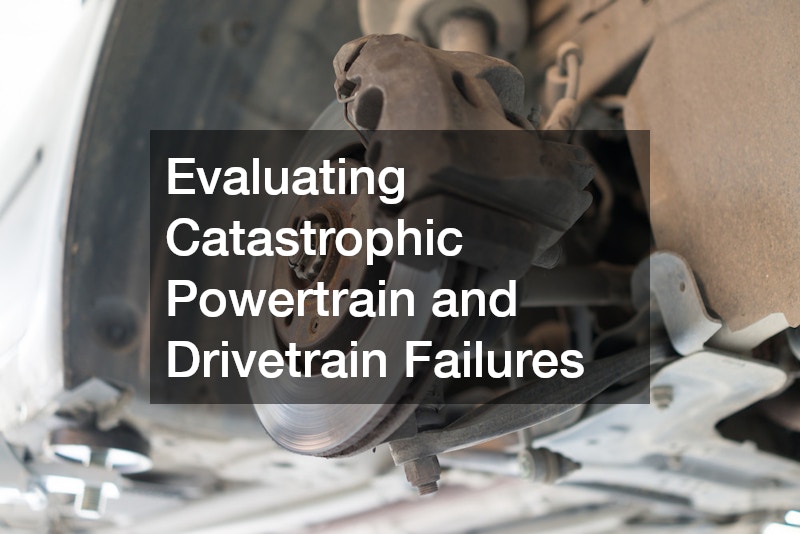
When analyzing the viability of an older vehicle, the condition of the engine block and transmission system dictates the ultimate lifespan of your asset. These core components operate under intense thermal and mechanical stress, meaning their failure results in the highest labor and material costs in the entire automotive ecosystem. If you are facing top-end mechanical failures, such as a blown head gasket, warped cylinder heads, or thrown connecting rods, you are looking at complete engine tear-downs.
When shop rates frequently exceed a hundred dollars an hour, paying for extensive local engine repairs can quickly eclipse the market value of an economy sedan or high-mileage crossover. In these scenarios, you must demand a clear breakdown from your technician comparing a fully remanufactured crate engine swap against targeted component machining, as raw labor hours spent micrometering an old block often cost more than a fresh, warrantied long-block replacement.
A parallel financial crisis occurs when a heavy-duty work truck or utility vehicle experiences a catastrophic transmission failure. For instance, owners of working trucks frequently run into severe gear-slipping, torque converter failure, or total planetary gear delamination when hauling heavy payloads over long distances. Dropping a fresh Silverado transmission into an aging chassis can easily cost several thousand dollars, forcing small business owners and daily commuters to calculate their return on investment meticulously.
If you choose to proceed with a major drivetrain replacement, you must factor in auxiliary system upgrades to protect your new investment. This includes flushing the existing fluid lines with specialized chemical solvents and installing an upgraded external fluid cooler. Failing to perform these extra steps means that tiny metal shavings left over from your old, disintegrated gears can wash back into your replacement transmission, destroying its internal valve body within its first few hundred miles of operation.
Calculating Post-Collision Damage and Structural Integrity
Navigating the aftermath of a major traffic incident introduces complex structural safety liabilities that go far beyond standard mechanical wear. When a vehicle undergoes a violent impact, the kinetic energy is absorbed through engineered crumple zones. If the force penetrates past the exterior cosmetic sheet metal, it can twist, buckle, or crack the underlying unibody or structural frame rails.
Even if a car looks completely fine from the outside after an accident, microscopic fractures along structural crossmembers can permanently ruin its ability to protect you in a future crash. To assess this correctly, an experienced shop must mount the stripped chassis onto a laser-guided frame alignment rack to measure structural reference points down to the millimeter. If the frame shows uncorrectable twists, the vehicle must be classified as a total loss, regardless of how pristine the interior remains.
If the frame rail distortion falls within repairable limits, you must then carefully review the comprehensive auto collision repair estimate. This document lists the exact balance of OEM or aftermarket panel replacements, mechanical component extractions, and multi-stage paint matching operations.
During this structural reconstruction phase, technicians often have to perform a high-strength welding service to cut away torn structural aprons or core supports and fuse fresh factory-stamped metal back into the unibody. When reviewing these extensive structural restoration bills, you must check that the shop includes the mandatory cost of replacing deployed airbag modules, impact sensors, and seatbelt pretensioners. These safety electronics alone can add thousands of dollars to an insurance estimate, which is often what pushes a borderline vehicle past the total loss threshold.
Navigating Legal and Physical Recovery After an Incident
When a vehicle is severely damaged or totaled in a collision caused by a negligent driver, the process of recovering your financial losses becomes intertwined with insurance law. Insurance adjusters are corporate employees whose primary goal is to minimize payout liabilities, often by using lowball valuation software to undervalue your car’s true market worth. If your car is near the total loss boundary, you should consider protecting your rights by consulting an auto accident attorney who understands property damage recovery.
A legal specialist can audit the insurer’s total loss calculations, ensuring they account for recent mechanical upgrades, pristine interior conditions, and local tax fees. This advocacy protects you from being forced to accept an unfair settlement that won’t cover the remaining balance on your auto loan or the cost of a comparable replacement vehicle.
- Documenting the Asset Portfolio: Gather all receipts for major mechanical repairs, tire replacements, and aftermarket additions from the past twelve months to challenge low insurance valuations.
- Verifying Valuation Reports: Demand a copy of the market valuation report from the insurance company to confirm that the comparison vehicles match your car’s specific trim level, mileage, and optional equipment.
- Managing Total Loss Options: Decide whether to accept a full total loss payout or retain the salvage title, which allows you to keep the damaged car if you have a cost-effective plan for a safe rebuild.
Simultaneously, you cannot overlook the physical impact of a collision on your own body. High-impact decelerations subject the human spine to extreme G-forces, frequently causing whiplash, soft-tissue damage, and micro-displacements of the vertebrae that may not hurt until days after the event.
While you work to resolve your automotive property damage, scheduling a thorough physical evaluation with a licensed chiropractor is a vital step for your health. A professional musculoskeletal assessment can uncover underlying spinal misalignments, track neurological trauma, and establish a documented medical record that links your injuries directly to the accident. This thorough medical documentation is crucial, as it ensures your personal injury protection claims remain valid while you pursue full financial recovery from the at-fault party’s insurance provider.
Assessing Vital Safety Systems and Wear-Item Overhauls
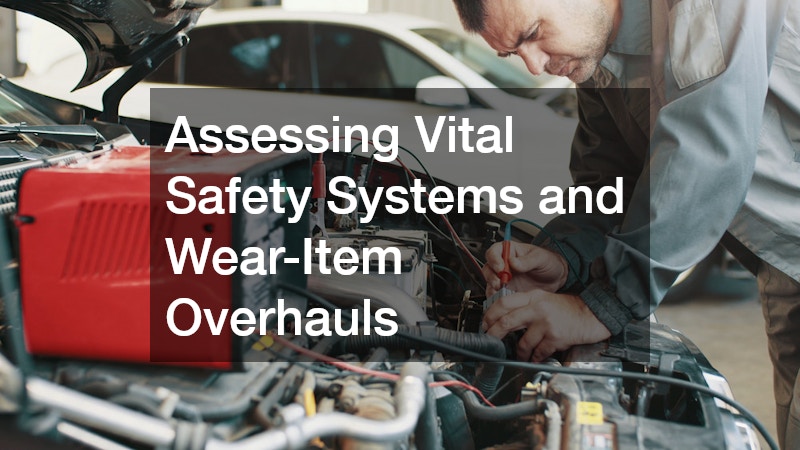
Many drivers find themselves facing a difficult choice, not because of a single catastrophic accident, but due to a buildup of neglected maintenance items. Safety systems like brakes, suspension components, and steering linkages wear out gradually, and their decay is often ignored until it becomes a driving hazard. If your steering wheel shakes when you slow down, or you hear a high-pitched squeal whenever you press the pedal, your vehicle is dealing with severe friction material depletion.
Ignoring a standard brake repair can lead to a dangerous chain reaction through your hydraulic system. What starts as a simple pad replacement can turn into an expensive overhaul of warped steel rotors, seized dual-piston calipers, and failed master cylinders, creating a repair bill that can overwhelm the budget of an older daily driver.
To determine if an aging vehicle is still safe and reliable for your daily commute, you should invest in a professional auto brake service to inspect the entire foundation of your stopping architecture. This diagnostic check looks beyond simple pad thickness to measure the integrity of your Anti-lock Braking System (ABS) modulator valves, check rubber lines for dry rot, and test the moisture levels in your brake fluid.
- Testing Fluid Contamination: Brake fluid is hygroscopic, meaning it absorbs water over time, which lowers its boiling point and can cause sudden brake fade during heavy stopping down long hills.
- Auditing Hydraulic Lines: Inspect the rigid metal brake lines running along your vehicle’s undercarriage for rust or pinhole leaks that could cause sudden pressure loss.
- Evaluating ABS Electronics: Scan the electronic control unit for hidden diagnostic codes that could indicate a failing wheel speed sensor or an expensive ABS pump failure.
If this safety audit reveals that your car needs a full brake overhaul alongside new suspension struts and steering racks, you have to look at the total bill objectively. Sinking thousands of dollars into wear items on a car with a rusted frame or a burning engine is rarely smart. If the safety upgrades cost more than the car is worth, it is a clear sign to stop investing in that vehicle and start looking for a safer daily option.
Monetizing an Unfixable Vehicle and Planning Your Next Step

Once the math clearly shows that fixing your vehicle is no longer a smart choice, your next step is to liquidate the asset for the highest possible cash value. Trying to trade in a broken-down or severely damaged car at a traditional dealership usually results in a frustratingly low offer, as dealers don’t want vehicles that require expensive shop work before they can hit the lot.
Instead, you can get a better return by working with high-volume vehicle liquidation networks that specialize in buying cash-for-junk-cars. These salvage companies evaluate cars based on their raw scrap metal weight and the resale value of their remaining usable parts. This approach allows you to sell junk cars quickly and cleanly, securing immediate liquid capital while getting a broken-down vehicle towed off your property for free.
When you transition from an old asset to a replacement vehicle, small business owners and fleet managers must carefully evaluate their specific utility requirements to avoid repeating past mechanical failures. If your last vehicle suffered from a cracked frame or a failed transmission because it was overloaded, you need to rethink your vehicle class and layout.
Taking the time to research proper truck body selection, such as moving from a standard consumer pickup bed to a specialized aluminum flatbed, a modular service body, or a heavy-duty box enclosure, ensures your next work vehicle is engineered precisely for your daily payloads. Matching your chassis specifications, engine torque options, and rear axle ratios to your real-world hauling needs prevents premature drivetrain wear, protects your new investment, and keeps your business running smoothly without unexpected breakdown costs.
- Analyzing Fleet Payload Demands: Calculate the maximum weight of your daily tools, equipment, and materials to select a chassis class that won’t experience premature suspension or engine failure.
- Reviewing Aluminum vs. Steel Bodies: Choose lightweight aluminum flatbeds to maximize fuel economy and payload capacity, or select heavy-gauge steel service bodies for maximum durability on rugged jobsites.
- Verifying Specialized Storage Needs: Choose modular utility bodies with integrated, weather-sealed tool compartments to secure expensive gear and improve your team’s on-site organization.
Deciding whether to repair or retire a compromised vehicle comes down to objective numbers and a clear view of long-term safety. By separating your emotional attachment to a car from its actual market value, you can use frameworks like the 50% rule to protect your budget from endless repair costs. Whether you are dealing with engine damage, collision structural issues, or worn-out safety systems, remember that every vehicle has a clear financial finish line. Making an informed choice to walk away from a mechanical money pit protects your savings, keeps your business moving, and ensures your family drives away in a safe, reliable replacement vehicle.