
Comprehensive Solutions for Every Common and Complex Vehicle Issue
When you establish a structured approach to your automotive needs before an emergency occurs, you shift from a state of costly reaction to a state of calm control. This comprehensive guide is designed to serve as your roadmap. By understanding how to vet specialists, decode early warnings, and protect your investments, you can transform vehicle ownership from a source of stress into a seamless, predictable part of your daily life.
1. Establishing a Proactive Maintenance Routine

The foundation of any dependable vehicle is a rigorous commitment to preventative upkeep. Waiting for a dashboard warning light to illuminate before thinking about your vehicle’s health is a recipe for catastrophic mechanical failure. A proactive approach means looking at your vehicle as an ecosystem where fluids, belts, hoses, and electronic sensors must function in perfect harmony.
To build a reliable baseline of care, every driver should maintain a meticulous vehicle history log. This practice not only helps you stay on top of critical service intervals, but it also significantly enhances your vehicle’s resale value when the time comes to part ways with it. A well-documented history proves to future buyers that the car was preserved rather than merely driven.
When searching for a trustworthy provider to handle these baseline needs, focus on shops that employ technicians certified by the National Institute for Automotive Service Excellence. These credentials ensure that the individuals working on your vehicle possess verified, up-to-date technical knowledge. Finding a reputable neighborhood facility for your standard auto repair needs gives you a dependable home base for oil changes, fluid flushes, brake replacements, and tire rotations.
Developing a long-term relationship with a single, high-quality garage yields massive dividends. Over time, the technicians become intimately familiar with the specific quirks and history of your vehicle, allowing them to spot emerging wear patterns long before they escalate into expensive emergencies.
2. Choosing the Right Automotive Specialist
Modern vehicles are essentially rolling computers wrapped in steel and aluminum. Because automotive technology has advanced so rapidly over the past decade, the era of the generalist mechanic who can fix absolutely any issue on any vehicle with a standard wrench is largely a thing of the past. Today’s cars require sophisticated diagnostic computers, proprietary software, and specialized training.
When you are faced with a complex mechanical mystery, such as an intermittent electrical glitch or an unexplained engine misfire, you need to look beyond general maintenance facilities. Finding a highly skilled auto mechanic who specializes in advanced diagnostics can mean the difference between a precise, permanent fix and a frustrating cycle of throwing expensive parts at a problem, hoping it goes away.
3. Maximizing Daily Comfort and System Efficiency
While engine and transmission health keep a vehicle moving, cabin comfort dictates how much you actually enjoy the journey. The climate control system in a modern automobile does far more than just blow cold air on a hot summer afternoon; it plays a critical role in managing windshield defogging, regulating cabin air quality, and protecting interior electronics from extreme temperature spikes.
Many drivers mistakenly believe that climate control systems are completely maintenance-free until they stop working entirely. In reality, automotive cooling systems naturally lose a small percentage of their refrigerant over time through microscopic imperfections in hoses and seals. Waiting until your vents are blowing ambient air in the middle of a heatwave puts immense, unnecessary strain on the system’s compressor, which can lead to total system failure.
Scheduling a periodic inspection before seasonal shifts occurs allows a technician to perform a vacuum test, check for leaks, and execute a precise ac repair that restores the system to peak factory specifications. Furthermore, don’t overlook the importance of replacing your cabin air filter at least once a year. A clean filter ensures optimal airflow, prevents the growth of mold and musty odors within the ventilation ductwork, and filters out airborne allergens, dust, and pollution before they enter your lungs.
4. Managing Specialized Compression-Ignition Engines
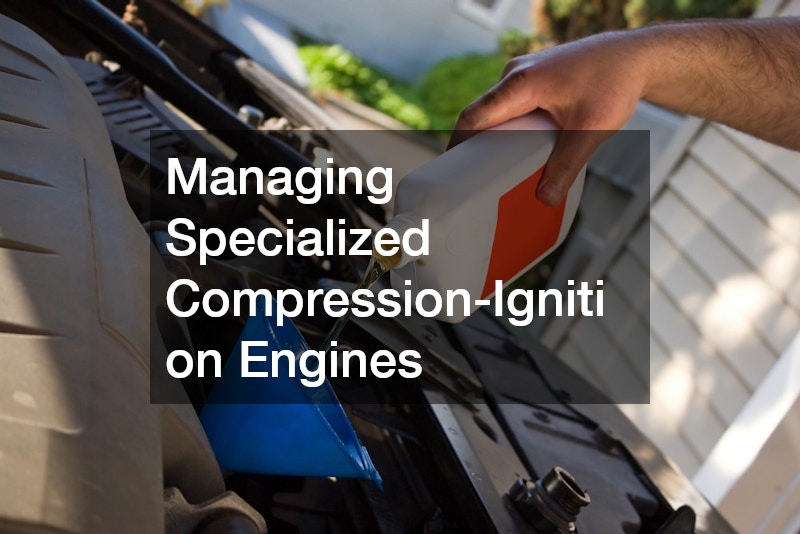
The operational and maintenance demands of diesel power plants are fundamentally different from those of standard gasoline engines. Because diesel engines rely on extreme compression rather than spark plugs to ignite their fuel, they operate under significantly higher internal pressures and thermal loads. This makes them incredibly durable and efficient, but it also means they require a distinct approach to maintenance.
Whether you operate a diesel passenger car for its exceptional highway fuel economy or rely on a heavy-duty pickup truck for demanding towing tasks, you cannot treat its maintenance as an afterthought. Diesel fuel systems are highly sensitive to water contamination and particulate debris, meaning that fuel filter replacements must be performed with strict regularity to protect expensive high-pressure fuel pumps and fuel injectors.
When dealing with complex driveability issues, exhaust after-treatment systems, or turbocharger lag, you must seek out a specialized garage that possesses the heavy-lifting infrastructure and diesel-specific data links required for proper troubleshooting. Taking your vehicle to a facility that specializes in local diesel repair ensures that your high-torque engine is handled by technicians who understand the nuances of glow plug cycles, diesel exhaust fluid chemistry, and complex turbocharger geometries.
5. Maintaining Sophisticated Luxury Engineering
Owning a high-performance European luxury vehicle is an incredibly rewarding experience, offering unparalleled driving dynamics, cutting-edge technology, and exceptional comfort. However, these vehicles are engineered to incredibly tight tolerances and use highly sophisticated mechanical and electrical layouts. They do not tolerate deferred maintenance or corner-cutting shortcuts.
For instance, a premium European vehicle often utilizes specific oil weights with proprietary additive packages designed to protect internal variable valve timing components. Using generic fluids or failing to adhere to exact torque specifications during simple service procedures can inadvertently trigger warning lights or cause premature component wear. To protect the integrity of your investment, you must bypass generalist shops in favor of factory-trained technicians.
If you drive a high-end vehicle from Bavaria, you need a facility that possesses the exact software modules required to code new components to the vehicle’s central computer after an intervention. Seeking out a garage that dedicates its practice to precision bmw repair ensures that your vehicle is serviced using factory-approved methodologies and genuine parts, preserving both the spectacular driving dynamics and the long-term financial equity of your luxury automobile.
6. Navigating Heavy-Duty Commercial Requirements
For business owners and fleet managers, vehicles are not just transportation; they are moving revenue generators. Every single hour that a delivery van, utility truck, or transport vehicle spends sitting idle in a repair bay directly impacts your bottom line, disrupts customer service schedules, and compromises operational efficiency.
Managing commercial vehicles requires a shift from mileage-based maintenance to hour-based or duty-cycle tracking. Commercial operations expose vehicles to prolonged idling, heavy payloads, and frequent stop-and-go driving conditions, all of which accelerate fluid degradation and component wear far faster than standard highway driving.
Partnering with a comprehensive truck repair service gives you access to the specialized heavy equipment, high-capacity lifts, and commercial-grade diagnostics required to keep your business assets moving safely and efficiently.
7. Safeguarding the Equity of Historic Vehicles

Collector cars, vintage hot rods, and historic automobiles occupy a completely unique space in the automotive world. These vehicles are historical artifacts, artistic expressions, and often highly valuable financial investments. Because of their unique status, they cannot be insured, stored, or maintained like a standard modern daily commuter.
One of the most critical errors a classic car enthusiast can make is insuring their prized possession with a standard auto policy. Standard policies operate on an actual cash value basis, meaning they factor in heavy depreciation over time. For a rare or vintage vehicle that is actively appreciating in value, a standard policy can result in a devastating financial loss in the event of a total claim.
Instead, collector vehicle owners must protect their assets with specialized classic car insurance. These unique policies are built on an agreed-value framework, where you and the insurer establish the exact payout value of the vehicle based on certified appraisals and market trends before the policy is finalized. These specialized policies also frequently feature flexible mileage tiers and coverage for rare, hard-to-find original parts, ensuring your investment is completely insulated from financial harm.
8. Protecting Premium Automotive Investments
Mechanical preservation is only half the battle when it comes to maintaining high-value, exotic, or collector vehicles. Environmental factors present a constant, silent threat to an automobile’s longevity. Prolonged exposure to fluctuating humidity levels, extreme temperature swings, UV radiation, dust, pests, and even ambient moisture can cause irreversible damage to delicate leather interiors, advanced electronics, and vintage paint finishes.
If you do not have access to a secure, climate-controlled home garage or if you need to store a prized vehicle during harsh winter months, leaving it parked under a basic outdoor cover or in an uninsulated shed is highly risky. Fluctuating temperatures create condensation inside body panels, accelerating the formation of rust and corroding delicate electrical connections.
The solution is to transition your vehicle into a professional, dedicated environment. Utilizing a secure car storage facility provides your automotive investment with a climate-stable atmosphere where relative humidity and temperature are kept at optimal levels year-round. Top-tier facilities also provide vital secondary services such as routine battery tender monitoring, tire pressure maintenance to prevent flat-spotting, and rigorous security protocols to give you absolute peace of mind while your vehicle is put away.
9. Protecting Your Rights on the Roadway
No matter how defensively you drive or how meticulously you maintain your vehicle, you cannot control the actions of other motorists. A roadway collision is a profoundly jarring, stressful event that can disrupt your life in an instant, resulting in painful physical injuries, emotional trauma, missed time from work, and massive unexpected financial liabilities.
The moments immediately following an accident are critical, yet it is precisely when your adrenaline is spiking that you are most vulnerable to making costly mistakes. To safeguard your future well-being, you must understand your rights and establish a clear plan of action. Avoid discussing fault at the scene of the accident, document every detail with photographs, and seek immediate medical evaluation even if you feel fine initially, as many soft-tissue injuries do not manifest symptoms until days later.
Before entering into recorded statements with aggressive insurance adjusters who are highly incentivized to minimize your payout, consult with qualified legal professionals. Retaining competent car accident attorneys ensures that your rights are fiercely protected, that all communication with insurance companies is managed by experts, and that you receive the full financial compensation you deserve for medical bills, lost wages, and property damage.
10. Restoring Structural and Aesthetic Integrity

Once the legal and medical dust has settled after a collision, your attention must turn to restoring your damaged vehicle. The structural repair of a modern automobile is an incredibly complex engineering task. Crumple zones, high-strength steels, and integrated safety sensors are carefully designed to absorb impact energy to protect the occupants inside the cabin. If an accident repair is executed poorly, the vehicle’s structural safety system may fail completely in a subsequent collision.
When choosing a repair partner, bypass shops that look for cheap shortcuts or try to force the use of uncertified aftermarket body panels that do not fit perfectly. You have the legal right to choose where your vehicle is repaired, regardless of what an insurance company might suggest.
Look for a facility that possesses the advanced frame-realignment equipment and paint-matching technology required to return your vehicle to its pre-loss condition. Entrusting your vehicle to a certified, highly rated auto body shop guarantees that every weld, structural reinforcement, and cosmetic detail aligns perfectly with original factory engineering. This meticulous approach ensures that your car remains safe to drive, retains its aesthetic beauty, and preserves its long-term market value.
Navigating the vast and complex world of automotive care can initially feel overwhelming, but it becomes entirely manageable when broken down into clear, logical steps. Whether you are dealing with the daily realities of general upkeep, managing specialized commercial equipment, protecting a prized collector vehicle, or picking up the pieces after an unexpected accident, the core principle remains exactly the same: choose expertise over convenience.
By intentionally building a personal network of trusted specialists long before you actually need them, you remove the panic and uncertainty from automotive ownership. Take the time today to research local specialists, review your insurance coverages, and establish a clear emergency plan. When you shift from a passive driver to an active, informed coordinator of your vehicle’s care, you secure a safer, smoother, and far more predictable journey for every mile ahead.