Simple Ways to Improve Your Cars Condition
Improving your car’s condition does not always mean spending a fortune or taking on a full restoration project. In many cases, the biggest improvements come from consistent care, smart repairs, and knowing which problems to address before they become more expensive. A vehicle that is clean, mechanically sound, protected from damage, and ready for emergencies will usually be safer, more reliable, and more enjoyable to drive.
Car care also involves more than appearance. A shiny exterior is great, but the true condition of a vehicle includes its brakes, tires, suspension, engine performance, safety features, interior comfort, and long-term usability. Whether you drive a daily commuter, family SUV, work truck, modified car, or weekend vehicle, small improvements can help extend its life and preserve its value.
The key is knowing where to start. Some upgrades improve appearance, while others protect the vehicle from wear. Some repairs help prevent safety issues, while others make the vehicle more practical for your lifestyle. By taking a balanced approach, you can improve your car’s condition without wasting money on the wrong priorities.
Start With a Thorough Cleaning and Inspection
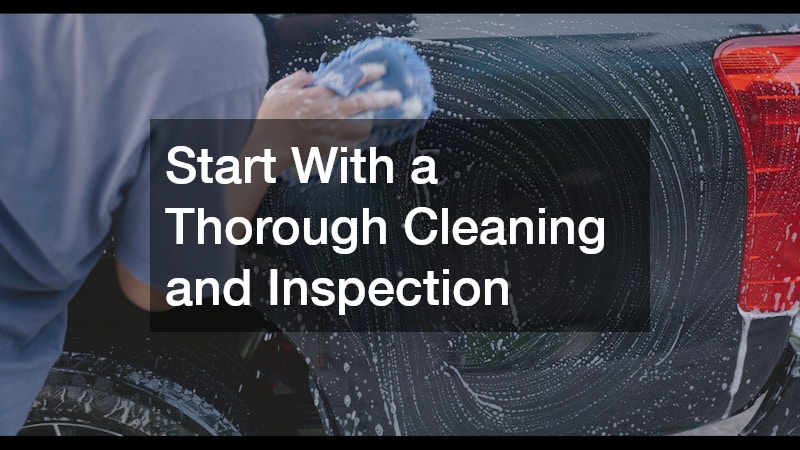
The easiest way to improve your car’s condition is to start with a deep cleaning. Dirt, road grime, salt, brake dust, pollen, food crumbs, pet hair, and spilled drinks can all wear down surfaces over time. A clean vehicle does not just look better. It also makes it easier to spot issues that may have been hidden by clutter or buildup.
A basic wash can remove surface dirt, but a more complete cleaning should include the wheels, tires, glass, trim, carpets, seats, door jambs, trunk, and dashboard. This process gives you a better idea of the vehicle’s true condition. You may discover scratches, stains, cracked trim, moisture, rust spots, or signs of wear that need attention.
Working with the best car detailer can be helpful when the vehicle needs more than a quick wash. Professional detailing may include paint decontamination, polishing, upholstery cleaning, carpet extraction, leather conditioning, odor removal, and trim restoration. These services can make an older vehicle feel cleaner and newer while helping protect interior and exterior materials.
Protect the Paint Before Damage Spreads
Paint protection is one of the best ways to improve a car’s long-term appearance. Your vehicle’s paint faces daily exposure to sunlight, rain, road salt, bird droppings, tree sap, bug residue, dirt, and improper washing. Over time, these factors can dull the finish and make the car look older than it is.
Regular washing is important, but protection adds another layer of defense. Wax, sealants, and coatings can help reduce contamination and make cleaning easier. For drivers who want longer-lasting protection, auto ceramic coating services may be worth considering. Ceramic coatings create a durable surface layer that helps repel water, dirt, and grime while adding gloss.
A coating will not make a car scratch-proof, and it does not eliminate the need for regular washing. However, it can make maintenance easier and help preserve the paint’s appearance. Vehicles that sit outside, drive long distances, or face harsh weather may benefit from this added protection.
Before applying any paint protection, the surface should be properly prepared. If the paint has swirl marks, oxidation, water spots, or embedded contaminants, those issues may need to be corrected first. Applying protection over damaged paint will not hide every flaw.
Paint protection is not just about making the car look nice. It can also help preserve resale value. A vehicle with clean, glossy, well-maintained paint usually makes a stronger impression than one with faded or neglected surfaces.
Improve Wheels for Appearance and Durability
Wheels have a major impact on how a vehicle looks. Even if the paint is clean, scratched, corroded, or dirty, wheels can make the whole car look neglected. Wheels also face some of the harshest conditions on the vehicle, including brake dust, road salt, potholes, curb contact, and constant heat cycles.
Regularly cleaning wheels can prevent buildup that damages the finish. Brake dust can be especially stubborn and may become harder to remove if ignored for too long. Use wheel-safe cleaners and soft brushes to avoid scratching the surface.
If the wheels are badly worn, refinishing may be a good option. A powder coating company can refinish wheels with a durable coating that improves both appearance and protection. Powder coating is often more durable than standard paint and can resist chipping, corrosion, and weather exposure when properly applied.
Wheel refinishing may make sense when wheels have a peeling finish, oxidation, curb rash, fading, or cosmetic damage. It can also be used to customize the vehicle with a different color or finish. Popular options may include gloss black, satin black, bronze, silver, gunmetal, or custom colors.
Before refinishing, the wheels should be inspected for cracks, bends, or structural damage. Cosmetic repair is helpful, but it should not cover up safety concerns. A wheel that is cracked or severely bent may need to be replaced rather than refinished.
Stay Ahead of Mechanical Problems
A vehicle may look great, but if it is not mechanically reliable, its condition still needs work. Mechanical maintenance should always come before cosmetic upgrades. Brakes, tires, steering, suspension, engine performance, and electrical systems all affect safety and drivability.
An auto mechanic can identify problems that may not be obvious during daily driving. A small leak, a worn belt, a weak battery, uneven tire wear, or an early brake issue can often be caught before it becomes a bigger failure. Regular inspections are especially important for older vehicles, high-mileage cars, and vehicles used for commuting or long trips.
Reputable auto repair shops can help with routine service, diagnostics, maintenance schedules, and repairs. They can also help you understand what needs attention now and what can wait. This is useful when you are trying to improve a vehicle gradually without overspending.
Important maintenance items include oil changes, brake inspections, tire rotations, battery testing, fluid checks, belt and hose inspections, suspension checks, air filter replacement, and diagnostic scans when warning lights appear. These services may not seem exciting, but they help maintain the vehicle’s reliability.
Keeping service records is also part of improving vehicle condition. Receipts and maintenance notes help you track what has been done and may support resale value later.
Fix Body Damage Before It Gets Worse
Dents, scratches, cracked bumpers, rust, and damaged trim can make a vehicle look worn down. More importantly, some exterior damage can lead to bigger problems if ignored. Paint protects the metal underneath. When paint is chipped or cracked deeply enough, moisture can reach the surface and start to corrode.
An auto body repair company can help with dents, scratches, bumper damage, rust spots, hail dents, paint chips, and panel repair. Some issues may be purely cosmetic, while others may affect safety, resale value, or long-term durability. Getting an estimate early helps you understand the difference.
Minor damage may be repairable without replacing large parts. Paintless dent repair may work when the paint is intact and the dent is not too sharp. Touch-up paint may help protect small chips from spreading. Larger damage may require sanding, filling, repainting, or replacing panels.
Common body issues to watch for include door dings, bumper cracks, loose trim, rust bubbles, chipped paint, hail marks, and scratches that expose metal. Pay special attention to wheel wells, rocker panels, lower doors, and trunk edges because these areas are more likely to collect moisture and road debris.
If you plan to sell or trade in the vehicle, body condition matters. A car with visible dents and scratches may be judged as poorly maintained, even if it runs well. Fixing the most noticeable damage can improve first impressions and help protect value.
The goal is not always perfection. For daily drivers, it is often enough to prevent rust, repair safety-related damage, and keep the exterior presentable.
Know What to Do After an Accident
Even a minor accident can affect a vehicle’s condition. A bumper may look only slightly scratched, but modern vehicles often have sensors, brackets, impact absorbers, cameras, and structural components hidden beneath the surface. That is why accident damage should be inspected carefully.
An auto collision repair shop can evaluate damage after a crash and recommend proper repairs. This may include bumper repair, paint matching, panel replacement, frame measurement, alignment checks, suspension inspection, and safety sensor calibration. Proper repair helps restore the vehicle’s appearance and safety.
Do not ignore damage around bumpers, wheels, headlights, doors, or safety sensors. If the car pulls to one side, vibrates, leaks fluid, or shows warning lights after a collision, it should not be driven until inspected.
Accident repairs should do more than make the car look normal. They should restore the vehicle’s structure, alignment, safety systems, and function. Cutting corners on collision repair can lead to long-term problems and reduced protection in a future crash.
Prepare for Breakdowns Before They Happen

Having a local towing service saved in your phone is a smart step. You do not want to search for help for the first time while stranded on the roadside. Emergency towing companies can help when a vehicle is unsafe to drive, stuck, disabled, or damaged after an accident.
Towing may be needed if the vehicle will not start, has a flat tire with no spare, overheats, has brake failure, experiences transmission problems, gets stuck in snow or mud, or displays severe warning lights. Trying to drive a damaged or overheating vehicle can make the problem worse and create safety risks.
Every vehicle should have a basic emergency kit. Useful items include a phone charger, flashlight, reflective triangles, first-aid kit, tire pressure gauge, portable inflator, jump pack, gloves, water, blanket, and basic tools. These items may not fix every problem, but they can help you stay safer while waiting for assistance.
Consider Accessibility and Practical Vehicle Needs
Improving a vehicle’s condition also means ensuring it meets the needs of the driver and passengers. For some families, caregivers, and individuals, accessibility is one of the most important parts of transportation. A vehicle may be mechanically sound but still not practical if it does not provide safe and comfortable access.
Wheel chair accessible vans can provide easier transportation for people who need ramps, lifts, lowered floors, wider entry points, or securement systems. These vehicles can improve independence, safety, and convenience for both passengers and caregivers.
When evaluating an accessible vehicle, consider entry height, ramp style, interior space, seating layout, tie-down systems, headroom, door clearance, and whether the setup works for the person’s daily routine. Some vehicles are better for passengers, while others are designed for drivers who use mobility equipment.
Maintenance is especially important for accessibility features. Ramps, lifts, locks, tie-downs, doors, and electrical components should be inspected regularly. If any part of the system becomes unreliable, transportation can become stressful or unsafe.
Build Better Daily Habits for Long-Term Condition
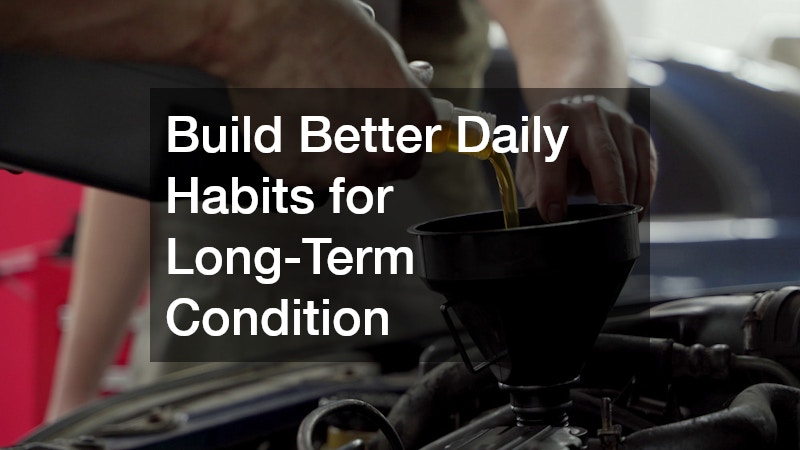
Daily habits have a major effect on how a vehicle ages. You can pay for repairs and upgrades, but careless everyday use will undo much of that effort. Better habits help protect paint, tires, brakes, suspension, interior materials, and mechanical systems.
Parking choices matter. Parking farther away from crowded areas can reduce door dings. Parking in the shade can protect the interior and paint from sun exposure. Avoiding trees can reduce sap, bird droppings, and branch damage.
Small daily habits that help include:
* Keep tire pressure correct: Low pressure can reduce fuel economy and cause uneven wear.
* Clean spills quickly: Liquids can stain, smell, or damage upholstery.
* Wash off road salt: Salt can speed up corrosion, especially under the vehicle.
* Avoid ignoring warning lights: Early diagnosis can prevent bigger repairs.
* Use sun protection: A windshield shade can reduce interior heat and fading.
* Remove trash regularly: A clean cabin feels better and prevents odors.
* Drive smoothly: Gentle acceleration and braking reduce wear.
* Watch for potholes: Avoiding impacts helps protect wheels and suspension.
Seasonal care is also important. Before winter, check the battery, tires, wipers, defrosters, and coolant. After winter, wash the undercarriage and inspect for rust. Before summer, check the air conditioning, cooling system performance, and tire pressure. In the fall, inspect lights, brakes, and heating systems.
Improving your car’s condition is about more than making it look better. A well-maintained vehicle should be clean, safe, reliable, practical, and ready for everyday use. Appearance matters, but safety and mechanical health should always come first.
The best approach is to start with a thorough cleaning and inspection, then address the issues that affect safety, reliability, and long-term value. From paint protection and wheel care to body repairs, mechanical maintenance, accident response, emergency planning, and accessibility needs, every part of vehicle care plays a role.
You do not have to improve everything at once. Focus on the highest priorities, keep good records, and build better daily habits. With consistent care and smart planning, any vehicle can become safer, cleaner, more comfortable, and more enjoyable to drive.