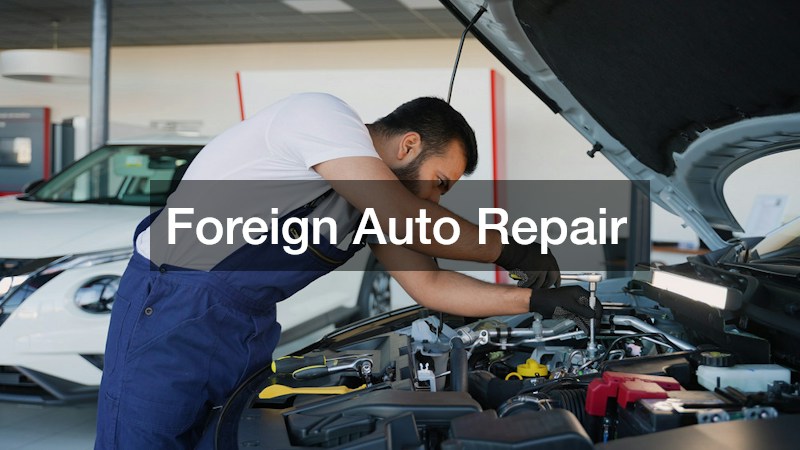
Foreign Auto Repair
Owning a vehicle from an international manufacturer comes with unique maintenance considerations. Whether driving a European luxury car or a Japanese sedan, owners need dependable service that accounts for their vehicle’s engineering, technology, and manufacturer requirements. Foreign auto repair involves specialized diagnostics, appropriate replacement parts, and technicians familiar with different automotive systems. Understanding these services helps drivers make informed decisions about maintenance, repairs, and long-term vehicle care.
Understanding Repairs for International Vehicles
Commonly Serviced Vehicle Brands
International manufacturers include BMW, Mercedes-Benz, Audi, Volkswagen, Toyota, Honda, and Hyundai. Each brand has its own engineering standards and maintenance recommendations. Although many vehicles share similar mechanical principles, certain models require specific diagnostic procedures, replacement components, or electronic programming to complete repairs correctly.
Specialized Diagnostic Equipment
Modern vehicles rely on electronic control modules that monitor engine performance, braking, transmission operation, and safety features. Technicians use compatible diagnostic equipment to retrieve fault codes and evaluate system performance. Some repairs also require manufacturer-specific software for programming or calibration after components are replaced.
Technician Training and Experience
Experience with a particular manufacturer helps technicians recognize recurring problems and understand recommended repair procedures. Professional training also supports accurate diagnosis as vehicle technology evolves. Shops familiar with multiple international brands can address mechanical and electrical concerns while following appropriate service specifications.
Choosing the Right Automotive Repair Shop
Checking Professional Qualifications
Before selecting a repair facility, consider the technicians’ certifications, training, and experience. Automotive Service Excellence certifications demonstrate knowledge in specific repair areas, although they do not guarantee expertise with every manufacturer. Ask whether the shop regularly services your vehicle’s make and model.
Reviewing Customer Experiences
Customer reviews can reveal useful information about communication, scheduling, and repair quality. Look for detailed feedback describing completed work and how the business addressed unexpected concerns. Consistent comments about clear explanations and accurate estimates may help identify a suitable service provider.
Understanding Service Warranties
Repair warranties vary by facility, component, and service performed. Ask about coverage periods, exclusions, and whether replacement parts and labor are included. A written estimate should also explain the recommended work, helping owners understand what they are authorizing before repairs begin.
Understanding Factors That Affect Repair Costs
Replacement Parts and Availability
Parts availability can influence repair schedules and expenses. Some components are readily available through domestic distributors, while others require special orders. Original equipment and aftermarket alternatives may differ in compatibility, warranty coverage, and manufacturer specifications. A qualified technician can explain which options are appropriate.
Diagnostic and Labor Requirements
Complex electronic systems sometimes require additional diagnostic time before technicians can identify the underlying problem. Accessing certain components may also involve removing surrounding equipment. These factors can affect labor requirements, although international vehicles are not automatically more expensive to maintain than domestic models.
Manufacturer-Specific Procedures
Some repairs require specialized tools, programming, or calibration to restore proper operation. For example, replacing electronic steering or driver-assistance components may involve additional verification. Professional foreign auto repair should account for these requirements rather than focusing exclusively on replacing the visibly damaged part.
Selecting Appropriate Replacement Parts
Original Equipment Components
Original equipment manufacturer parts are produced to specifications established for the vehicle. They may be recommended for certain repairs, particularly when precise compatibility is essential. Availability, warranty terms, and the manufacturer’s repair guidance should influence the decision.
Aftermarket Replacement Options
Aftermarket parts can provide suitable alternatives for many maintenance and repair applications. However, quality and compatibility vary among manufacturers. Vehicle owners should discuss the advantages and limitations of available options before authorizing installation, especially for safety-related components.
Recycled Automotive Components
Recycled parts may be appropriate for selected repairs when their condition, compatibility, and history can be verified. They can reduce material waste and expand replacement options for older vehicles. Critical safety components require particular caution, and applicable manufacturer guidance should always be considered.
Maintaining Vehicle Performance and Reliability
Following Recommended Service Intervals
Manufacturers establish maintenance schedules based on mileage, time, and operating conditions. Routine inspections, fluid changes, and filter replacements help identify developing problems. Drivers should consult their owner’s manual because service requirements differ among models and powertrains.
Addressing Warning Signs Promptly
Unusual noises, fluid leaks, warning lights, and changes in handling deserve professional attention. Ignoring these symptoms can allow minor problems to develop into more extensive repairs. Early diagnosis also helps determine whether a concern affects vehicle safety or everyday performance.
Preserving Maintenance Records
Keeping invoices and inspection reports creates a useful record of completed work. Documentation helps technicians identify recurring issues and supports future maintenance planning. A consistent service history may also reassure prospective buyers when the vehicle is eventually sold.
Maintaining an international vehicle requires informed decisions about service providers, replacement parts, and preventive care. Experienced technicians can explain repair options while considering manufacturer recommendations and the vehicle’s condition. Choosing professional foreign auto repair and following an appropriate maintenance schedule can support dependable performance, driving safety, and long-term vehicle ownership.